
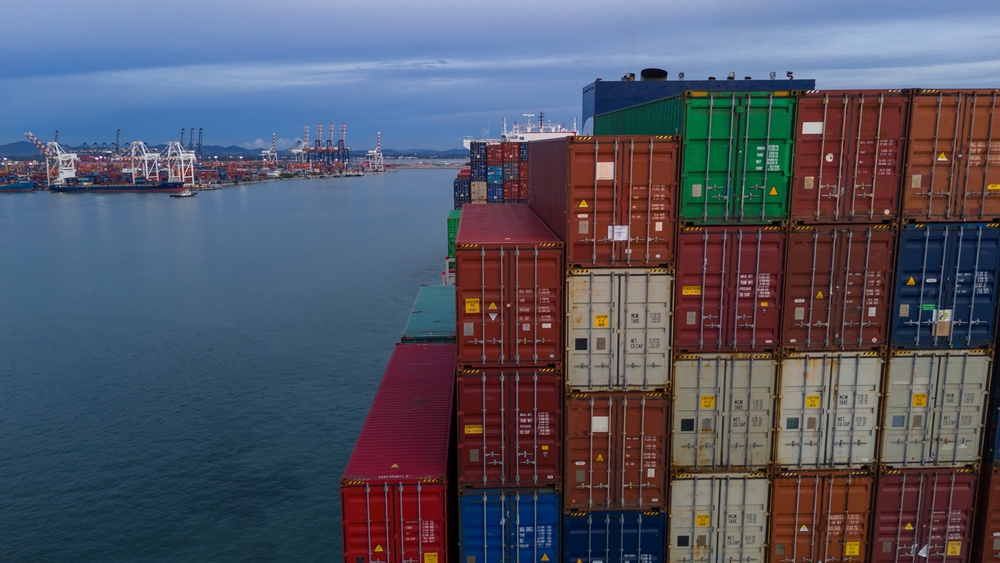
Your freight has arrived in the United States. Unfortunately, so have the problems.
Imagine ordering products from an overseas supplier who offers to handle the shipping. The price seems reasonable, the process sounds simple, and you are told everything is taken care of.
Then, just days before your shipment arrives, you receive an unexpected notice from a shipping agent requesting additional documents, payments, and instructions.
Your supplier insists the shipping was already paid for. The destination agent says additional charges are due. Your cargo needs customs clearance, but no one has contacted your customs broker.
Meanwhile, your customers are waiting, your inventory is running low, and the costs are beginning to add up.
This is what can happen when importers fail to plan ahead.
At Krenz & Hannan International, we understand that international shipping involves much more than booking transportation. Without proper coordination, documentation, and customs planning, a seemingly straightforward shipment can quickly become an expensive problem.
Here are some of the biggest risks importers face when they leave international shipping to chance.
1. Unexpected Shipping Charges Add Up
One of the most common surprises for importers is discovering that the original shipping quote does not cover the entire transportation process.
A supplier may offer an attractive freight rate, but that price may exclude several important expenses, including:
- Destination handling charges
- Customs brokerage fees
- Import duties and tariffs
- Customs examination fees
- Storage charges
- Final delivery costs
This can be especially frustrating with Less than Container Load (LCL) shipping, where multiple shipments share space inside one container.
Your cargo may arrive at a destination warehouse, but additional fees must be paid before it can be released.
Suddenly, the shipping arrangement that initially appeared affordable becomes much more expensive than anticipated.
The lesson: Before approving an international shipment, understand exactly what the shipping quote includes, which charges remain your responsibility, and who is coordinating each stage of transportation.
2. Incomplete Documentation Can Delay Customs Clearance
Accurate documentation is essential for importing goods into the United States.
Imagine receiving a commercial invoice from your supplier that describes your shipment simply as “machine parts.”
That description may not provide enough information for proper tariff classification or customs entry preparation. Your customs broker may need additional details about the products, including their materials, intended use, country of origin, and value.
Now imagine trying to obtain those details after the shipment has already arrived.
Your supplier is overseas, communication is delayed by time zone differences, and your freight is waiting for clearance. Each day spent correcting paperwork can create additional complications and expenses. Common documentation problems include incorrect product descriptions, inconsistent quantities, missing country-of-origin information, and incomplete commercial invoices.
For ocean freight, you must also address certain advance filing requirements, including Importer Security Filing (ISF), before arrival.
The lesson: Involve your customs broker before your shipment leaves the supplier. Reviewing documents early can prevent avoidable delays and help ensure required filings are completed on time.
3. Demurrage and Storage Fees Can Become Expensive
One of the most costly consequences of poor shipping coordination is accumulating demurrage, detention, and storage charges.
These fees can occur when cargo or containers remain at shipping facilities, or equipment is retained beyond the applicable free time.
- Demurrage: Charges that may apply when a container remains at a marine terminal beyond its allotted free time.
- Detention: Charges that may apply when a container is not returned within the permitted time after leaving the terminal.
- Storage: Charges associated with cargo remaining at a warehouse or other facility beyond the allowed period.
Imagine your shipment arrives, but customs clearance is delayed because important documentation is missing.
While your team corrects the paperwork, the container remains at the terminal. The available free time expires, and demurrage charges begin accumulating. Even after customs clearance is completed, additional steps may be required before the cargo can leave the terminal, including carrier release, payment confirmation, and pickup arrangements.
Without a coordinated plan, expenses can continue increasing.
The lesson: Monitoring shipment arrivals, customs clearance, release requirements, and available free time is essential for controlling unnecessary costs.
4. Customs Examinations Can Create Additional Complications
Even properly documented shipments can be selected for examination by U.S. Customs and Border Protection (CBP). Depending on the type of examination, cargo may need to be transported to an inspection facility, unloaded, inspected, and reloaded. These procedures can add handling fees, transportation costs, and delays.
Although customs examinations cannot always be predicted or prevented, having an experienced customs brokerage and freight forwarding team can make the process easier to manage. Without proper coordination, importers may struggle to determine why their shipment is delayed, which company is responsible for the next step, or what additional charges may apply.
The lesson: A professional logistics partner cannot guarantee your cargo will avoid examination, but they can coordinate communication and work to resolve issues efficiently.
5. Your Cargo Could Be Rejected
Perhaps the most serious consequence of inadequate import planning is discovering that your products do not meet applicable U.S. import requirements. Certain products may require additional documentation, certifications, permits, or compliance with regulations enforced by CBP and other government agencies. If imported goods fail to meet these requirements, CBP may detain them or refuse admission into the United States.
Depending on the circumstances, the importer may be required to take corrective action, export the goods, or arrange for their destruction.
Consider the financial impact.
You have already paid to manufacture the products and transport them internationally. Now, you may be responsible for additional storage, transportation, or disposal expenses without being able to sell the inventory.
Meanwhile, your customers are still expecting their orders.
The lesson: Never assume a product can enter the United States simply because your supplier has shipped similar goods before. Verify applicable import requirements before the cargo leaves its country of origin.
How Krenz & Hannan International Helps Importers Avoid Costly Mistakes
International shipping does not have to involve last-minute surprises.
At Krenz & Hannan International, we help businesses coordinate transportation and customs requirements before shipments move.
Our services include:
- Reviewing shipping terms and freight quotations
- Coordinating with overseas suppliers and shipping agents
- Reviewing import documentation
- Preparing and submitting customs entries
- Coordinating customs clearance and applicable advance filings
- Arranging freight transportation and final delivery
- Communicating with the parties involved when shipment issues arise
By addressing key details early, our team reduces preventable complications and provides greater visibility throughout the shipping process. While no freight forwarder or customs broker can eliminate every delay or unexpected expense, experienced planning can make a significant difference.
Your Supplier Knows Your Product. We Know How to Get It Here.
A low shipping quote does not always mean a lower overall cost.
When documentation is incomplete, responsibilities are unclear, or customs requirements are overlooked, importers can face unexpected charges, delayed deliveries, and potentially rejected cargo.
The best time to address these risks is before your shipment leaves the supplier.
At Krenz & Hannan International, we bring together freight forwarding, customs brokerage, and international shipping expertise to help businesses make informed decisions and avoid preventable problems.
Before you let your supplier arrange your next international shipment, contact Krenz & Hannan International. Share your upcoming order details or shipping quote with our team so we can review the plan before costly surprises arise.
The shipping scenario described in this article is illustrative and does not represent a specific customer experience.