
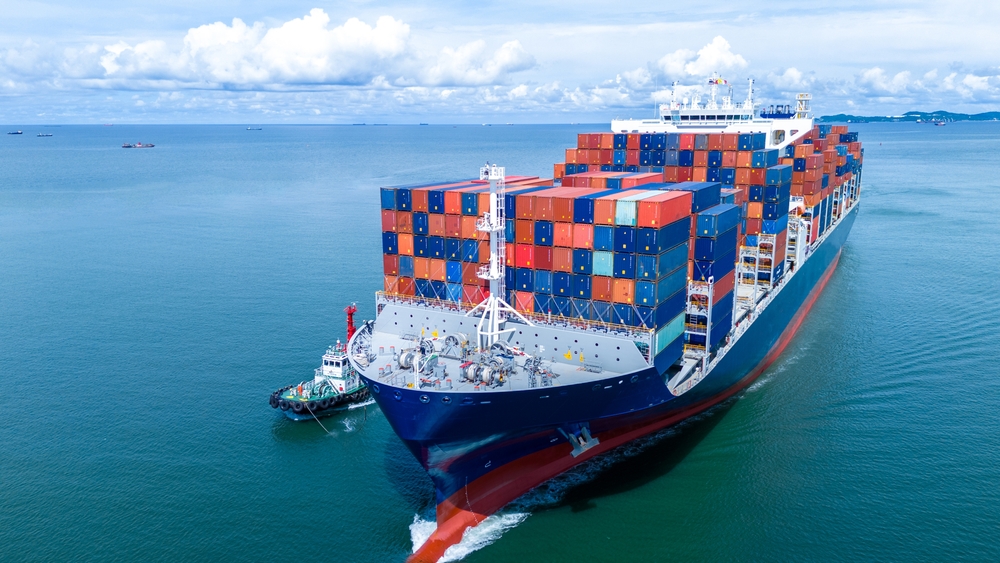
When businesses import goods into the United States, getting products from one country to another is only part of the process. Before shipments can enter the country, they must meet U.S. customs regulations, have accurate documentation, and comply with applicable import requirements.
For businesses unfamiliar with international trade, these requirements can quickly become complicated. Even experienced importers encounter challenges involving tariffs, product classifications, customs bonds, or unexpected shipment delays.
That is where a customs broker comes in.
At Krenz & Hannan International, our team reviews shipment information, prepares and submits customs entries, communicates with government agencies, and resolves clearance issues that could delay imported goods.
But what exactly does a customs broker do, and why is working with one so important?
What Is a Customs Broker?
A customs broker is a licensed professional or company that handles customs business on behalf of importers.
Customs brokers work with U.S. Customs and Border Protection (CBP) to prepare and submit required entry information, review import documentation, determine applicable duties, and coordinate customs clearance.
Their work often begins well before a shipment reaches the United States.
By reviewing documentation and identifying potential issues before cargo leaves the supplier, customs brokers can address problems early and reduce the risk of preventable delays.
Although brokers manage important aspects of the customs process, the importer of record remains responsible for exercising reasonable care and ensuring the accuracy of information submitted to CBP.
1. Reviewing and Preparing Customs Documentation
Accurate documentation is essential for customs clearance.
Before a shipment arrives, Krenz & Hannan reviews important documents, including:
- Commercial invoices
- Packing lists
- Bills of lading or air waybills
- Certificates of origin, when applicable
- Other permits or certifications required for specific products
The team checks shipment descriptions, quantities, values, origin information, and other details needed to prepare customs entries.
When information is incomplete or inconsistent, Krenz & Hannan works with the importer to obtain corrections or additional details before submitting the entry.
For example, imagine a supplier sends an invoice describing imported goods only as “machine parts.”
That description may not provide enough information to determine the correct tariff classification.
Krenz & Hannan would request additional details about the products, including their materials, function, and intended use. With accurate product information, the team can determine the appropriate classification and prepare the customs entry.
Addressing these questions before shipment arrival can prevent unnecessary complications during clearance.
2. Determining the Correct Tariff Classification
Every product imported into the United States must be classified under the Harmonized Tariff Schedule of the United States (HTSUS).
These classifications determine which duties, tariffs, and additional requirements may apply.
However, similar products can have different classifications depending on their materials, construction, and intended use.
Krenz & Hannan reviews product information, evaluates applicable tariff provisions, and identifies the appropriate classification for customs entry purposes.
Accurate classification is particularly important as tariff policies and international trade regulations continue to change.
Incorrect classifications can result in inaccurate duty payments, additional customs scrutiny, and potential compliance issues.
3. Preparing Customs Entries and Coordinating Clearance
Customs clearance does not begin when a shipment reaches the port.
In many cases, customs brokers can prepare and electronically submit entry information before cargo arrives in the United States.
At Krenz & Hannan International, the team coordinates documentation, prepares customs entries, submits required information to CBP, and monitors the clearance process.
If CBP requests additional documentation or identifies an issue, Krenz & Hannan communicates with the appropriate parties to address the concern.
Although customs examinations and government processing times are outside a broker’s control, early preparation and prompt communication can reduce avoidable disruptions.
4. Arranging Customs Bonds
Many commercial imports require a customs bond, which provides financial security to CBP for certain obligations associated with importing goods.
Customs bonds help ensure applicable duties, taxes, fees, and other covered obligations are satisfied.
Two common options include:
- Single Transaction Bonds: Generally used for an individual import transaction.
- Continuous Bonds: Designed to cover multiple qualifying import transactions over a specified period.
The appropriate bond depends on factors such as shipment frequency, import activity, and applicable CBP requirements.
Krenz & Hannan offers customs bond services and works with importers to determine the appropriate bond arrangement for their shipping needs.
5. Managing Importer Security Filing Requirements
For ocean freight shipments entering the United States, importers must also consider Importer Security Filing (ISF) requirements.
Commonly called ISF 10+2, this filing provides CBP with advance cargo information for security screening.
For most applicable ocean shipments, importers must submit required ISF data at least 24 hours before cargo is loaded onto a vessel bound for the United States, although certain data elements have different timing rules.
Krenz & Hannan coordinates ISF information and submits filings on behalf of authorized importers.
Preparing this information before the shipment leaves the overseas port is important because late or inaccurate filings can result in penalties and other complications.
6. Managing Duties, Tariffs, and Regulatory Requirements
Imported goods may be subject to customs duties, additional tariffs, taxes, and other fees.
Krenz & Hannan reviews applicable tariff classifications, customs values, country-of-origin information, and relevant trade requirements to determine shipment charges.
The team also identifies when goods may be subject to additional requirements from agencies such as the Food and Drug Administration (FDA) or U.S. Department of Agriculture (USDA).
By identifying these requirements early, importers can prepare necessary documentation and better anticipate their overall landed costs.
7. Resolving Customs Clearance Issues
Even properly prepared shipments can encounter unexpected challenges.
CBP may request additional documentation, select cargo for examination, or require clarification before releasing goods.
When these situations arise, Krenz & Hannan communicates with customs authorities, reviews the issue, obtains necessary information, and coordinates the steps required to move the clearance process forward.
This active involvement can be especially valuable when delays threaten production schedules, inventory levels, or customer deliveries.
While no customs broker can guarantee immediate clearance, experienced representation can make a meaningful difference when complications arise.
Why Work with Krenz & Hannan International?
International shipping involves multiple parties, regulations, and deadlines. Customs clearance requires careful preparation, accurate information, and timely communication.
At Krenz & Hannan International, our team manages essential customs brokerage responsibilities, from reviewing shipment documents and preparing entries to arranging customs bonds, coordinating ISF filings, and addressing clearance issues.
Whether you are importing your first commercial shipment or managing an established international supply chain, having an experienced customs brokerage team can simplify the process and reduce preventable complications.
Get Help with Your Customs Clearance Needs
A customs broker does much more than submit paperwork. By preparing shipments before arrival, reviewing documentation, determining tariff classifications, and communicating directly with customs authorities, brokers play an essential role in international trade.
Have questions about importing goods into the United States? Contact Krenz & Hannan International today to learn more about our Customs Clearance services and how our team can support your next shipment.