
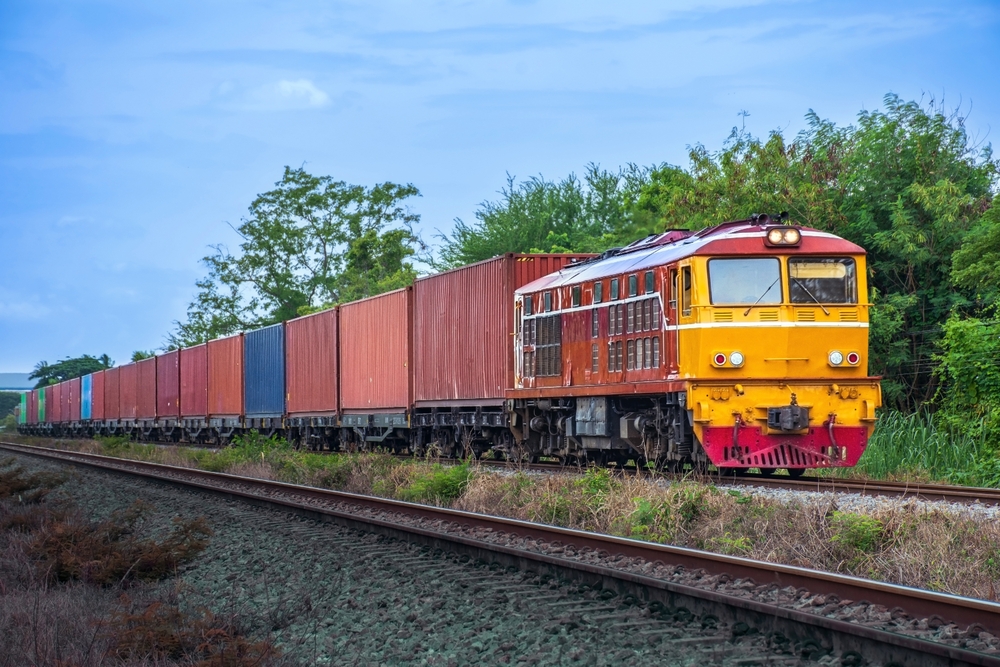
In the world of logistics, efficiency is everything. Companies rely on complex transportation networks to move goods across cities, states, and even international borders. To achieve this, logistics professionals employ various strategies to ensure supply chains operate smoothly. One of the most important of these strategies is transloading.
Transloading plays a crucial role in modern freight movement, yet many businesses outside the transportation industry are unfamiliar with its intricacies. Krenz & Hannan International is here to help you understand how transloading works and why it is so valuable, which can help businesses make smarter decisions about how they move their products.
Defining Transloading
Transloading is the process of transferring goods from one mode of transportation to another during a shipment’s journey. For example, freight might arrive at a port on an ocean vessel and then be moved onto a railcar or truck to reach its final inland destination.
This process is not the same as intermodal shipping, though the two are often confused. In intermodal transportation, freight stays in the same sealed container throughout its entire trip, even when switching between trucks, trains, or ships. With transloading, the products themselves are transferred, sorted, or even repackaged to prepare them for the next stage of transport.
By allowing goods to move seamlessly between transportation modes, transloading helps maximize efficiency, minimize costs, and provide flexibility for shippers.
Why Companies Should Consider Transloading
The value of transloading comes down to adaptability. No single mode of transportation can serve every shipping need. Trucks are versatile for local and regional deliveries, but they are not always the most cost-effective for long distances. Rail is efficient for bulk shipments over land, but it cannot reach every destination. Ships are ideal for large-scale international trade, but cargo must move inland after docking.
Transloading bridges these gaps. It ensures that freight can move across multiple transport networks without unnecessary delays or costs. This flexibility makes it an indispensable part of global trade, e-commerce fulfillment, and domestic distribution.
The Transloading Process
Transloading typically takes place at a specialized facility designed to handle a wide variety of freight. These facilities are strategically located near ports, rail yards, and major highways to simplify transfers.
The process usually involves the following steps:
- Arrival: Goods arrive at the facility by ship, rail, or truck.
- Unloading: Freight is removed from the initial transport vehicle.
- Sorting and Repackaging: Depending on requirements, cargo may be broken down, consolidated, or repackaged. Different modes of transport often have unique weight and size restrictions, making this step essential.
- Reloading: The goods are loaded onto the next mode of transportation for the next stage of the journey.
Specialized equipment is often used, including forklifts, cranes, conveyors, and front-end loaders. The choice of equipment depends on the size, weight, and type of goods being handled.
Benefits of Transloading
Transloading provides a wide range of advantages for both shippers and carriers.
1. Cost Savings
By choosing the most efficient mode of transportation for each leg of a journey, businesses can significantly reduce expenses. For example, rail is typically less costly than long-haul trucking for bulk cargo. Transloading makes it possible to take advantage of these savings.
2. Faster Delivery Times
Shippers can optimize routes by switching to faster transport options when needed. A shipment arriving by ship can be moved directly to rail or truck, depending on which option provides the quickest path to the customer.
3. Greater Flexibility
Supply chains are vulnerable to disruptions, whether from weather events, port delays, or labor shortages. Transloading allows businesses to pivot quickly by rerouting shipments through alternative transportation modes.
4. Improved Efficiency
Large shipments can be divided into smaller loads during transloading. This makes handling easier and can reduce storage costs by ensuring products move quickly toward their destination rather than sitting idle.
5. Sustainability
Optimizing transportation routes and reducing empty miles can cut down on fuel use. In some cases, shifting freight from trucks to rail also lowers emissions, supporting sustainability goals.
Challenges in Transloading
While the benefits are significant, transloading is not without its challenges.
- Increased Handling: Every transfer point introduces a risk of damage if goods are not handled carefully.
- Coordination Needs: Successful transloading requires precise communication between carriers, facilities, and shippers.
- Time Sensitivity: If not managed efficiently, the transfer process can add delays.
- Infrastructure Dependence: Effective transloading requires well-equipped facilities in strategic locations.
For businesses, the key to overcoming these challenges lies in partnering with experienced logistics providers and choosing facilities with the right technology, equipment, and personnel.
Is Transloading Right for Your Business?
Whether or not transloading is the right choice depends on the type of products you move, your shipping volumes, and your delivery locations. Businesses that regularly ship internationally, move bulk commodities, or need flexible distribution strategies often benefit most from transloading.
Companies handling fragile or highly specialized products may need to weigh the risks of increased handling. However, with the right facilities and trained staff, these risks can be mitigated.
Krenz & Hannan provides transloading services at all major U.S. ports and rail ramps.
Custom Solutions. Expert Guidance.
Krenz & Hannan International can arrange your international shipments, both import and export, including FCL, LCL, refrigerated, break-bulk, roll on/roll off, and lift on/lift off cargoes. All documentation and value-added extras are handled in-house by the K&H team.
We provide streamlined freight forwarding and customs brokerage services for U.S. and foreign to foreign moves, by ocean or air, door to door, or anywhere in between. Call 414-570-3550 for more information!